Spanish Greetings And Goodbyes Worksheets

¿Cómo estás? ¡Hola! If you're looking to brush up on your Spanish skills, you're in the right place. Spanish greetings and goodbyes are an essential part of the language, and with the help of worksheets, you can master them in no time. In this article, we'll delve into the world of Spanish greetings and goodbyes, exploring the different ways to say hello and goodbye, and providing you with practical tips and fun facts to make your learning experience more enjoyable.
Las formas de saludar
When it comes to greeting someone in Spanish, there are several options to choose from. You can use a formal greeting like ¿Cómo está usted? (how are you?) or a more informal one like ¿Cómo estás? (how are you?). If you're feeling extra friendly, you can use hola, ¿cómo te va? (hello, how's it going?). The key is to know when to use each one, and that's where Spanish greetings worksheets come in handy.
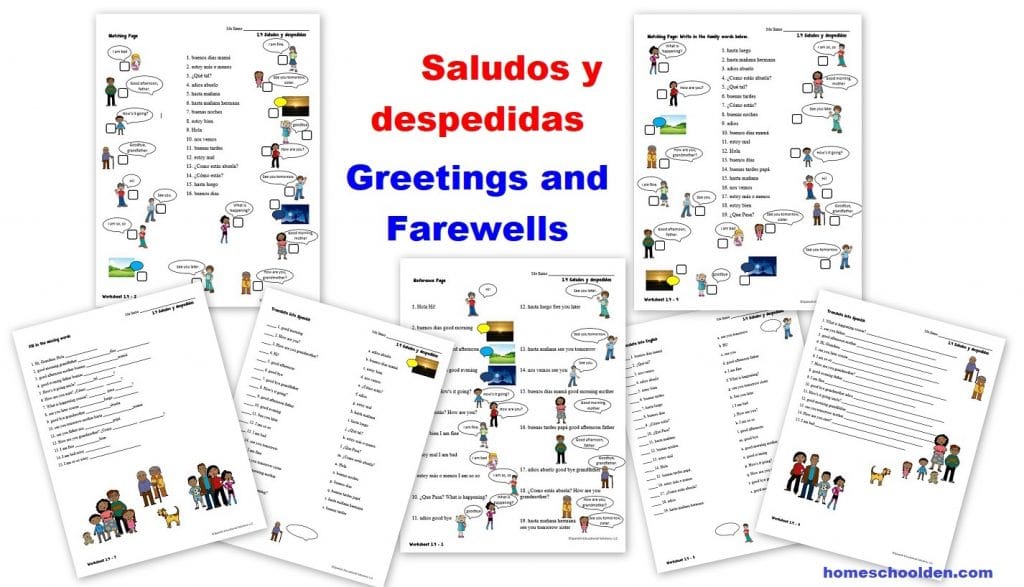
These worksheets will help you practice your greeting skills, so you can confidently approach a native Spanish speaker and say hola like a pro. With exercises like fill-in-the-blank and multiple choice, you'll be able to learn and practice different greetings in a fun and interactive way. For example, you can learn how to use tú and usted correctly, which is essential for sounding natural and respectful in Spanish.
Must Read
Las despedidas
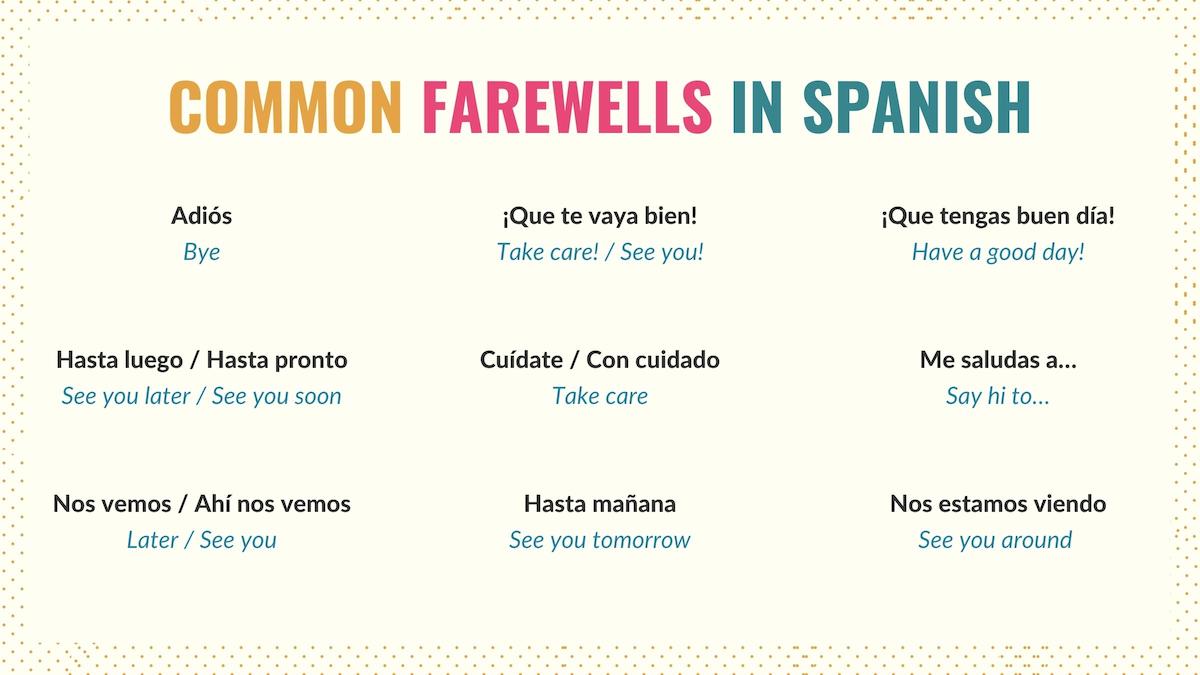
Now that we've covered greetings, it's time to talk about goodbyes. Saying goodbye in Spanish can be just as tricky as saying hello, but with the right worksheets, you'll be able to master the different ways to bid farewell. From adiós (goodbye) to hasta luego (see you later), there are many options to choose from. You can even use hasta mañana (see you tomorrow) if you're planning to meet up with someone the next day.
One of the best things about Spanish goodbyes worksheets is that they'll help you learn the different expressions and phrases used in various Spanish-speaking countries. For example, in Mexico, you might hear chau (bye), while in Spain, you might hear hasta la vista (see you later). With these worksheets, you'll be able to learn and practice the different goodbyes used in different countries, which will make you sound more natural and fluent.

Consejos prácticos
So, how can you make the most of your Spanish greetings and goodbyes worksheets? Here are a few practical tips to get you started:
- Practice, practice, practice: The more you practice, the more confident you'll become.
- Listen to native speakers: Pay attention to how native Spanish speakers greet and bid farewell to each other.
- Use flashcards: Flashcards can be a great way to memorize new words and phrases.
By following these tips, you'll be well on your way to mastering Spanish greetings and goodbyes. And remember, the key is to have fun and be consistent. With the help of worksheets and a little bit of practice, you'll be saying hola and adiós like a pro in no time.

Cultura y curiosidades
Did you know that in some Spanish-speaking countries, it's customary to greet someone with a kiss on the cheek? This is especially true in countries like Spain and Argentina, where physical touch is an important part of the culture. In fact, in Spain, it's common to greet someone with two kisses, one on each cheek. This is just one of the many curiosidades (fun facts) you can learn when studying Spanish greetings and goodbyes.
Another interesting fact is that the way you greet someone in Spanish can depend on the time of day. For example, if you're greeting someone in the morning, you might say buenos días (good morning), while if you're greeting someone in the afternoon, you might say buenas tardes (good afternoon). These little details can make a big difference in how you're perceived by native Spanish speakers, and with the help of worksheets, you can learn and practice them in a fun and interactive way.
Reflexión final
As we conclude our journey through the world of Spanish greetings and goodbyes, we're reminded that language is about more than just words and phrases. It's about culture, tradition, and connection. By learning and practicing Spanish greetings and goodbyes, you're not just improving your language skills, you're also opening yourself up to new experiences and relationships. So, the next time you say hola or adiós, remember that you're not just speaking a language, you're connecting with a community and a way of life.
And that's a adiós for now. We hope you've enjoyed this journey through the world of Spanish greetings and goodbyes, and that you'll continue to explore and learn more about this beautiful language. ¡Hasta luego!